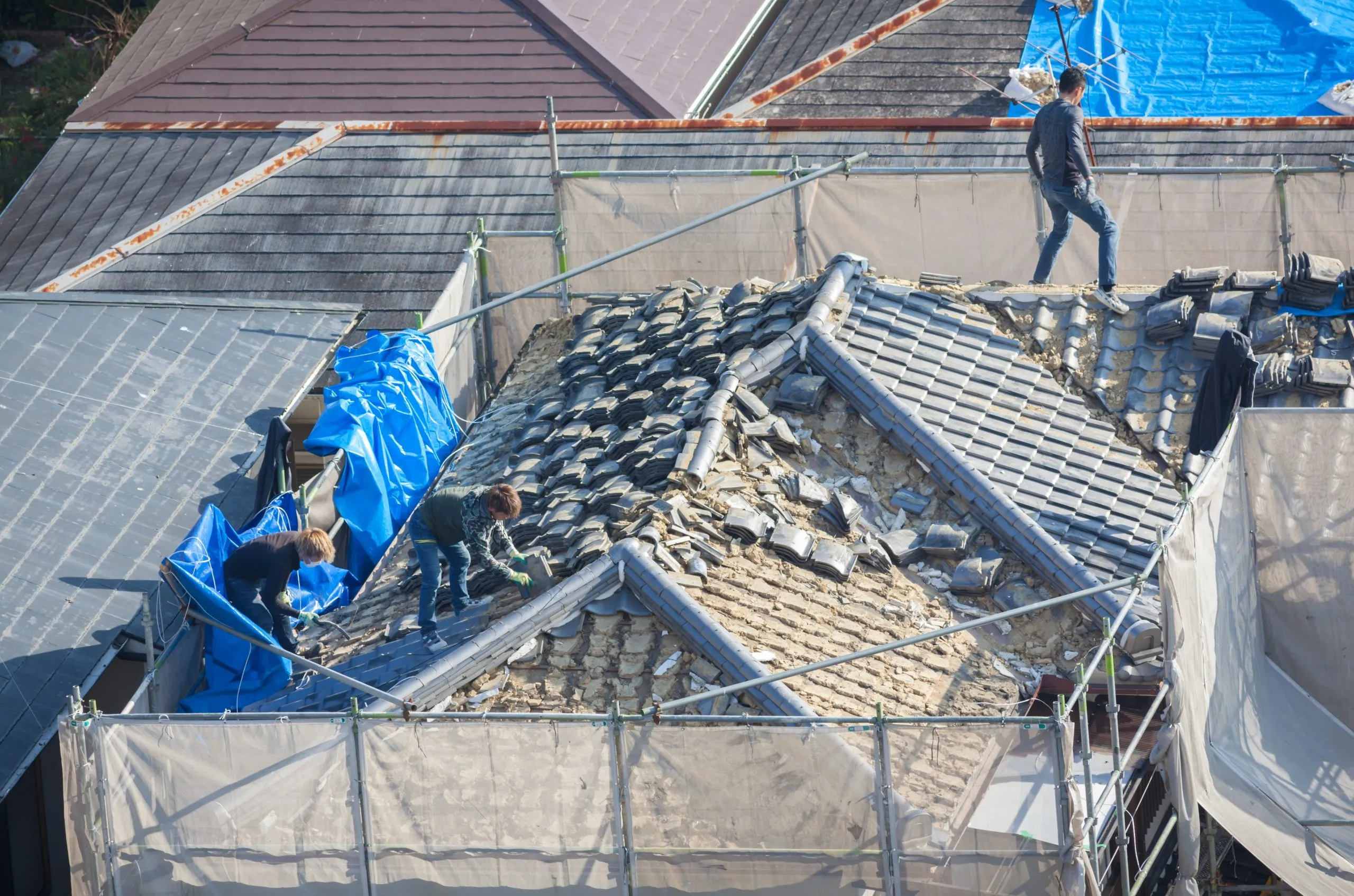

Should You Replace Your Roof, Siding, and Gutters at the Same Time?
When several parts of your home’s exterior are starting to show their age, deciding where to begin can be difficult.
Should you replace the roof first?
Should you take care of damaged siding?
Do the gutters need to be replaced too?
Or does it make more sense to complete several exterior projects at the same time?
For homeowners planning exterior improvements, there can be real advantages to coordinating roofing, siding, and gutter projects. However, that doesn’t mean every home needs everything replaced at once.
At Woodruff Roofing & Exteriors, we help Missouri homeowners evaluate the condition of their home’s exterior and determine which projects actually need attention. Here’s what you should consider before deciding whether to replace your roof, siding, and gutters together.
Start With the Condition of Your Roof
Your roof should be one of the first things you evaluate because it protects the structure and everything underneath it.
If your roof is aging or showing signs of deterioration, you may notice missing or damaged shingles, excessive granule loss, leaks, water stains, deteriorated flashing, or other visible problems.
An older roof doesn’t automatically need to be replaced, either. Its actual condition matters.
That’s why a professional roof inspection is a good starting point.
If your roof is still performing well, there may be no reason to replace it simply because you’re installing new siding.
However, if the roof is already nearing the point where replacement makes sense, coordinating the projects may be worth considering.
When Should Siding Be Replaced?
Siding does much more than determine the color of your house.
It’s an important part of the home’s exterior protection.
Over time, siding can become cracked, loose, warped, faded, or otherwise deteriorated.
Depending on the material, you may also notice rot or moisture-related problems.
Sometimes siding damage is isolated and can be repaired. In other situations, deterioration is widespread enough that replacement becomes the better long-term solution.
New siding can also have one of the biggest visual impacts of any exterior renovation.
Changing siding can transform an older home and create an entirely different appearance without changing the underlying structure.
What About Your Gutters?
Gutters may not be the first thing homeowners think about during an exterior renovation, but they’re an important part of the overall system.
Your roof directs water toward the edges of the home.
Your gutters collect that water.
Your downspouts move it away from the house.
If the gutters aren’t functioning properly, water can overflow or drain in areas where you don’t want it.
Signs your gutters may need attention include sagging sections, leaks, separation from the fascia, visible deterioration, poor drainage, or repeated problems with water overflowing.
If you’re already replacing an aging roof, it’s a logical time to evaluate whether the existing gutter system should remain.
Why Consider Doing Multiple Exterior Projects Together?
There are several potential advantages to coordinating exterior improvements.
A More Cohesive Finished Appearance
One of the biggest benefits is design.
If you’re replacing siding, you may want to reconsider the color of your roof.
If you’re installing a new roof, you may want gutters that complement the new roofing and trim.
Planning these decisions together gives you the opportunity to create a more cohesive exterior instead of selecting each component independently over several years.
You Can Plan the Work in the Right Order
Exterior components overlap and interact with one another.
Roofing meets gutters.
Siding meets soffit and fascia.
Flashing and trim connect different exterior surfaces.
When multiple components need replacement, planning the entire project in advance allows the work to be completed in a logical sequence.
Even if you don’t complete every project simultaneously, having an overall exterior plan can prevent you from making a decision today that complicates another project later.
It Can Reduce Repeated Disruption
Every exterior construction project involves some level of disruption.
There may be materials delivered, crews working around the house, dumpsters, equipment, noise, and temporary changes to how you access parts of the property.
Some homeowners prefer completing multiple necessary projects within the same general timeframe rather than repeating the process several times over the next few years.
That doesn’t mean you should replace something that still has years of useful life remaining.
It simply means that if several exterior components already need attention, coordinating them may be more convenient.
You Can Make Design Decisions Together
Replacing multiple exterior components gives you an opportunity to look at your house as a complete design.
Instead of asking:
“What roof color should I choose?”
You can ask:
“What do I want my entire house to look like?”
Think about how the roof, siding, gutters, trim, shutters, doors, stone, brick, and other exterior elements work together.
A dark roof might create contrast against lighter siding.
New siding may highlight existing brick or stone.
Gutter colors can either blend into the trim or become part of the overall design.
Taking a complete approach can produce a much more intentional finished appearance.
Should the Roof Be Replaced Before the Gutters?
If you’re replacing both, roofing is generally addressed before the final gutter installation.
That’s because roof replacement involves work along the edges of the roof where the gutter system is located.
However, the exact sequence depends on the home and scope of work.
A professional exterior contractor can evaluate the complete project and determine the appropriate order.
Should the Roof Be Replaced Before the Siding?
This depends more heavily on the project.
Roofing and siding interact in areas involving flashing, walls, rooflines, and other transitions.
If both are being replaced, coordinating the projects allows the contractor to plan these details properly.
The important point isn’t simply deciding “roof first” or “siding first.”
It’s making sure the two projects are planned together.
What If You Can’t Afford to Do Everything at Once?
You don’t have to.
A good exterior renovation plan should prioritize need, not simply appearance.
If your roof has an active leak but your siding is merely faded, the roof is probably the more urgent issue.
If the roof is in excellent condition but sections of siding are deteriorating, siding may deserve attention first.
If the roof and siding are performing well but the gutters are failing, there may be no reason to replace anything except the gutter system.
The right approach depends on your specific home.
Protect the Home Before Focusing on Cosmetics
When establishing priorities, functional problems should generally come before cosmetic ones.
Water intrusion, active leaks, loose materials, rot, drainage problems, and significant deterioration can lead to additional damage if they’re ignored.
Fading siding or an outdated color scheme may bother you, but it usually doesn’t carry the same urgency as water entering the house.
An inspection can help separate the projects you want to complete from the projects you need to address.
Is Fall a Good Time to Plan Exterior Improvements?
September and early fall are excellent times to evaluate your home’s exterior.
Your roof and siding have just gone through another Missouri summer, and winter weather isn’t far away.
Take a walk around your property and look for anything that has changed.
Pay particular attention to the roofline, siding, gutters, soffit, fascia, and areas around exterior penetrations.
You don’t need to climb onto the roof yourself.
If something looks damaged or you’re unsure about the condition of the roof, have it professionally inspected.
Think About the Long-Term Plan for Your Home
Even if you’re only replacing one component today, think about what you’ll likely need to replace over the next several years.
For example, if you’re replacing siding now but expect to need a roof relatively soon, choose colors with that future roof in mind.
If you’re replacing your roof but know you’d like to change your home’s exterior color eventually, consider how the new shingles will work with those future plans.
A little planning now can prevent you from feeling locked into design decisions later.
Roofing, Siding, and Gutter Services in Missouri
Woodruff Roofing & Exteriors provides residential roofing, siding, gutter, and gutter guard services for homeowners throughout the region.
Based in Troy, Missouri, we serve homeowners throughout Lincoln County, St. Charles County, Warren County, Pike County, St. Louis County, and surrounding areas.
That includes communities such as Troy, O’Fallon, Wentzville, Lake St. Louis, St. Peters, St. Charles, Warrenton, Chesterfield, and Wildwood.
Because we work on multiple parts of the home’s exterior, we can help homeowners look beyond a single problem and consider how roofing, siding, and gutters work together.
Does Your Home Need One Project or a Complete Exterior Update?
You shouldn’t replace a roof, siding, or gutters simply because another part of the house is being renovated.
But if several components are aging or showing signs of deterioration, planning the projects together can make a lot of sense.
The first step is finding out what condition everything is actually in.
Woodruff Roofing & Exteriors offers free roof inspections and estimates to help homeowners understand their options before making a decision.
Whether you need a roof repair, complete roof replacement, new siding, gutters, or a larger exterior project, our team can help you determine the right approach for your home.
Call Woodruff Roofing & Exteriors at 636-295-7601 or visit woodruffroofingandexteriors.com to request your free estimate.