Is Your Roof Ready for Fall? What Missouri Homeowners Should Check Before Winter
September is here, temperatures will soon begin to drop, leaves will start falling, and winter isn’t far behind.
For Missouri homeowners, that makes early fall one of the best times of the year to take a closer look at the condition of your roof.
Your roof has already gone through spring storms, heavy rain, summer heat, wind, and months of direct sunlight. Before it has to handle freezing temperatures, snow, ice, and another Missouri winter, it’s worth making sure everything is working the way it should.
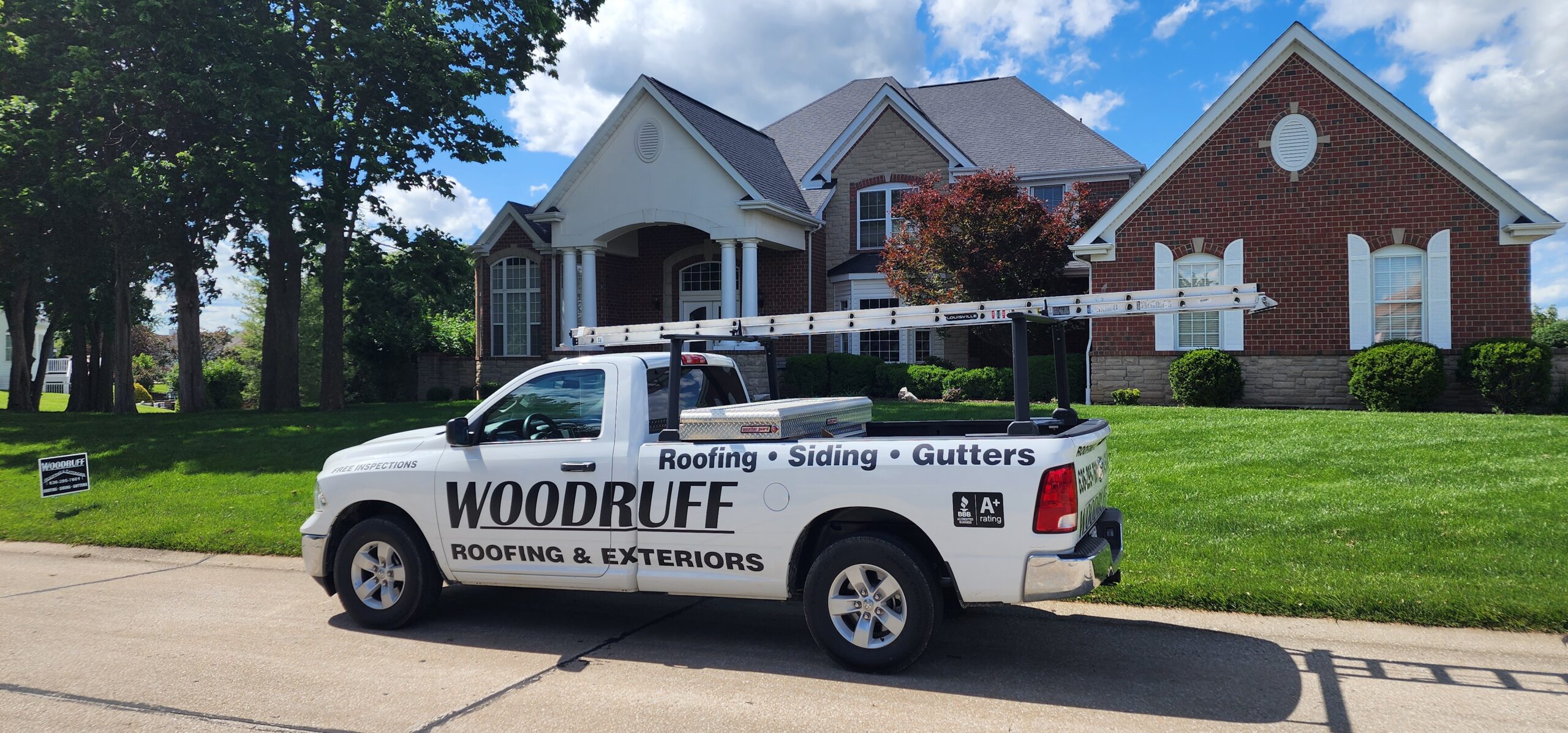
At Woodruff Roofing & Exteriors, we help homeowners throughout Lincoln County, St. Charles County, Warren County, Pike County, St. Louis County, and surrounding Missouri communities protect their homes with professional roofing and exterior services.
So, how can you tell whether your roof is ready for fall and winter?
Here are some of the most important things to check.
1. Look for Missing or Damaged Shingles
You don’t have to climb onto your roof to notice some roofing problems.
Start by walking around your property and looking at the roof from the ground.
Do you see shingles that appear missing, lifted, cracked, curled, or noticeably different from the surrounding shingles?
Even a relatively small damaged area deserves attention.
Your roofing system is designed to work together to move water away from your home. When individual components become damaged, water may have an opportunity to reach areas underneath the roofing material.
A problem that doesn’t seem urgent during a dry September afternoon can become much more noticeable during prolonged rain, snow, or freeze-thaw cycles.
If something looks unusual, have a professional roofer evaluate it rather than trying to diagnose the problem from the ground.
2. Check Your Gutters
Your roof and gutters work together.
The roof directs water toward the edge of your home, and the gutter system carries that water away.
Fall creates a particular challenge because leaves, sticks, pine needles, and other debris can accumulate quickly.
Clogged gutters can prevent water from draining properly.
Instead of moving safely away from your home, water may overflow, collect near the roofline, or drain too close to the foundation.
Before leaves begin falling heavily, inspect your gutters and make sure they’re prepared for the season.
This is also a good time to look for gutters that are sagging, pulling away from the home, leaking at joints, or otherwise showing signs of deterioration.
3. Look for Granules Around Your Downspouts
If you have an asphalt shingle roof, you may occasionally notice small granules in your gutters or around downspouts.
Some granule loss is normal.
However, significant granule loss—particularly on an older roof—can be worth investigating.
Those granules help protect asphalt shingles from UV exposure and contribute to the roof’s overall performance.
If you’re finding excessive granules or noticing areas of your roof that appear noticeably worn, a professional inspection can help determine whether normal aging or more significant deterioration is occurring.
4. Look Inside Your Attic
Some roofing problems are easier to spot from inside the house.
If you have access to your attic, look for anything unusual.
That can include water stains, damp areas, signs of previous leaks, visible daylight where it shouldn’t be, or moisture around roof penetrations.
You may also notice signs of poor ventilation.
Your attic and roofing system are closely connected. Proper ventilation helps manage heat and moisture, both of which can affect the performance and lifespan of your roof.
If you’re unsure what you’re seeing, don’t guess. A professional roof inspection can help identify the source.
5. Pay Attention to Ceiling and Wall Stains
A water stain on a ceiling doesn’t necessarily tell you exactly where a roof leak is located.
Water can travel along framing and other materials before becoming visible inside the house.
However, discoloration on ceilings or walls should never simply be ignored.
If you’ve noticed a new stain after heavy rain or an existing stain appears to be growing, it’s worth having the roof evaluated before winter.
Addressing a small roofing problem now may help prevent a much larger interior repair later.
6. Check Flashing and Roof Penetrations
Some of the most vulnerable areas of a roof are the places where different materials or surfaces meet.
That includes areas around chimneys, vents, skylights, valleys, and other roof penetrations.
Flashing helps direct water away from these areas.
If flashing becomes loose, damaged, improperly sealed, or deteriorated, water may be able to enter the roofing system.
These areas can be difficult for homeowners to properly evaluate from the ground, which is one reason professional roof inspections are valuable.
7. Think About the Age of Your Roof
Sometimes there isn’t one obvious problem.
The roof may simply be getting older.
If you purchased your home several years ago and aren’t sure when the roof was installed, finding out its approximate age can help you make better maintenance decisions.
An older roof doesn’t automatically need replacement.
Likewise, a newer roof isn’t automatically problem-free.
Installation quality, materials, ventilation, weather exposure, maintenance, and other factors all influence how a roofing system performs.
Instead of replacing a roof solely because of its age, have its actual condition evaluated.
Why September Is a Smart Time for a Roof Inspection
There is a major advantage to evaluating your roof before winter:
You have time to make a plan.
Waiting until water is actively entering your home puts you in a very different position.
When you identify a potential issue early, you can determine whether the roof needs a minor repair, additional maintenance, or more significant work.
You can also address gutter problems before leaves begin accumulating heavily.
The goal isn’t to replace a roof that doesn’t need replacing.
The goal is to understand the condition of your roof before winter weather tests it.
Repair or Replace: How Do You Know?
Not every roofing issue requires a complete roof replacement.
In some cases, repairing a specific area may be the appropriate solution.
In other situations, repeated repairs on an aging or extensively deteriorated roof may no longer make financial sense.
The decision can depend on factors such as the age of the roof, extent of the damage, condition of the shingles, history of previous repairs, and whether problems are isolated or widespread.
A professional roof inspection can help you understand the difference.
Don’t Forget About Siding
While you’re inspecting your roof this fall, take a few minutes to look at the rest of your home’s exterior.
Siding protects the walls of your home from Missouri’s changing weather.
Look for cracked, loose, warped, or damaged siding as well as deterioration around soffit and fascia areas.
Problems around the roofline can sometimes involve more than one exterior component, so looking at the home as a complete system is important.
Your Gutters Need to Be Ready for Winter Too
Gutters become especially important during fall.
As leaves begin dropping, clogged gutters can quickly become a problem.
Make sure water can move freely through the gutters and downspouts and away from the foundation.
If your gutters are damaged, undersized, pulling away from the home, or constantly becoming clogged, this may also be a good time to consider repairs, replacement, or gutter guards.
Should You Get a Roof Inspection Before Buying or Selling a Home?
Fall is also a popular time for real estate transactions.
If you’re preparing to sell, knowing the condition of your roof can help you avoid surprises during the buyer’s inspection.
If you’re buying a home, understanding the roof’s condition can give you a clearer picture of potential future expenses.
A roof is one of the most significant components of a house, so its condition should be part of any informed real estate decision.
Missouri Weather Can Be Hard on Roofing Systems
Missouri homeowners know how quickly the weather can change.
Our roofs have to handle hot summers, strong thunderstorms, wind, heavy rain, freezing temperatures, snow, and ice.
Those seasonal changes are one reason regular roof inspections and maintenance are important.
A roof doesn’t need to look like it’s falling apart to have an issue.
Small problems are often much easier to address when they’re identified early.
Professional Roofing Services From Woodruff Roofing & Exteriors
Woodruff Roofing & Exteriors provides residential roof inspections, repairs, replacements, and installations along with siding, gutter, and gutter guard services.
With decades of roofing industry experience, our team understands the importance of looking at the entire roofing system—not simply the most obvious problem.
We proudly serve homeowners throughout Troy, O’Fallon, Wentzville, St. Peters, St. Charles, Lake St. Louis, Warrenton, Chesterfield, Wildwood, and communities throughout Lincoln, St. Charles, Warren, Pike, and St. Louis counties.
Get Your Roof Ready Before Winter Arrives
September is a great time to find out exactly where your roof stands.
If you’ve noticed missing shingles, water stains, damaged gutters, worn roofing materials, or simply aren’t sure about the condition of your roof, Woodruff Roofing & Exteriors can help.
Don’t wait for the first freezing temperatures or winter weather to discover a problem that could have been addressed during the fall.
Contact Woodruff Roofing & Exteriors at 636-295-7601 or visit woodruffroofingandexteriors.com to request a free estimate.